
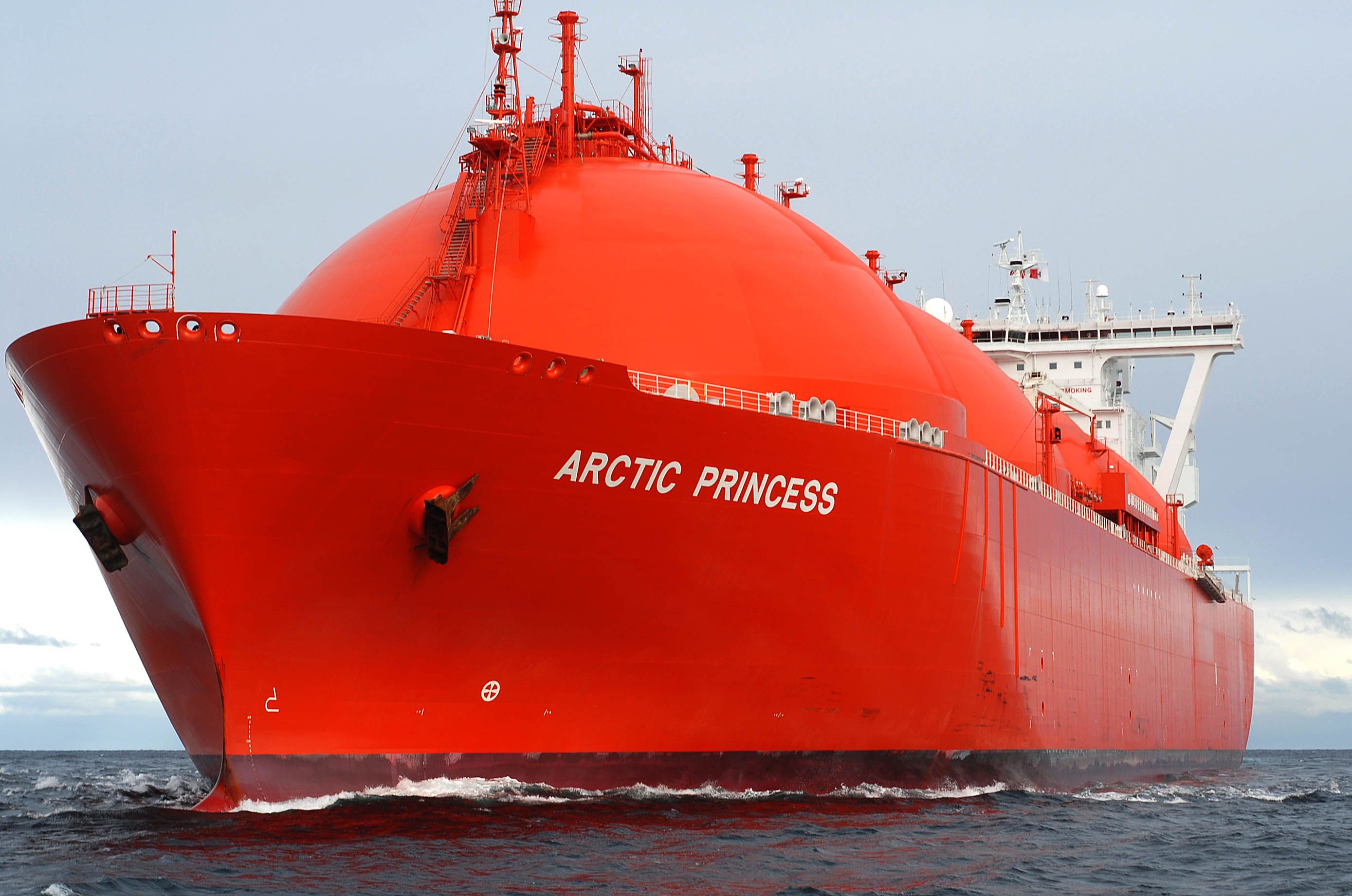
Europe has effectively halted long-term contracting for American liquefied natural gas in 2026 — just one deal has been signed since January, compared to six across all of 2025. This retreat is unfolding against the backdrop of the EU's public pledge to purchase $750 billion worth of American energy by 2028. The gap between that declaration and actual market behavior is the real story of this energy pivot.
What This Story Is Really About
This isn't about LNG. It's about Europe methodically building a strategy to free itself from energy dependence — this time not on Russia, but on the United States. According to IEEFA, the U.S. share of European LNG imports will reach roughly two-thirds in 2026, up from 58% in 2025. EU Energy Commissioner Dan Jørgensen has called that dependence "a wake-up call," and Trump's threats to restrict supplies have only accelerated the pivot.
The $750 billion pledge carries no legal enforcement mechanism: the European Commission cannot compel member states to purchase specific volumes from a specific supplier. It is a declaration, not a contract — analysts compare it to the unfulfilled U.S.-China trade deal of 2019. Europe signed a political commitment to ease tariff pressure, with no intention of fulfilling it to the letter.
Three Hidden Meanings Behind the Retreat
First: political. The slowdown in contract signings is a negotiating signal to Washington — a direct response to Trump's threats. This is not a rupture; it is a demonstration of willingness to seek alternatives.
Second: commercial. With new LNG capacity coming online by 2027–2028, a seller's market will become a buyer's market. European companies are deliberately avoiding 20-year lock-ins at current prices, waiting for more favorable terms. The CEO of Atlantic-SEE openly acknowledged that concluding long-term deals "is becoming increasingly difficult."
Third: climate. European companies are reluctant to take on 20-year obligations for an asset they are politically committed to phasing out. The Gas Exporting Countries Forum has concluded that long-term dependence on American LNG "is neither economically nor environmentally sustainable."
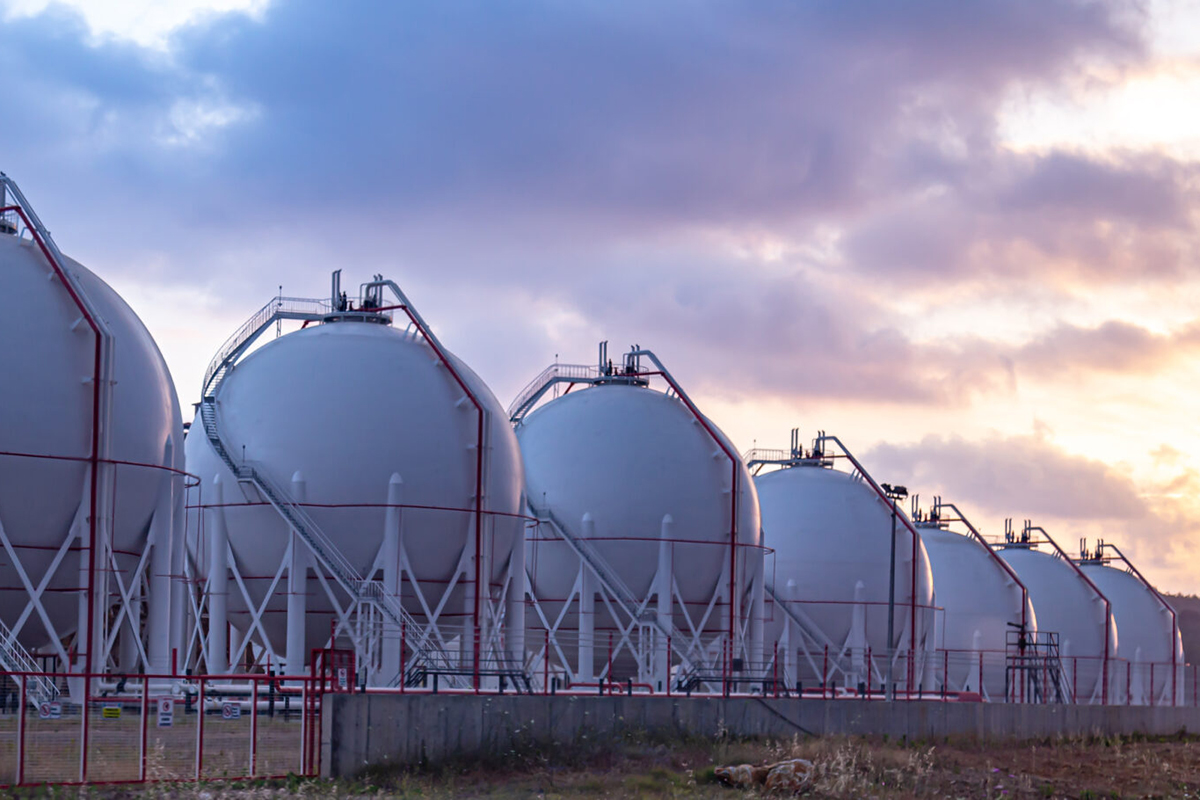
Where Europe Is Turning
In May 2026, German state-owned energy company SEFE signed a preliminary agreement with Canada's Ksi Lisims project for 1 million tonnes per year over 20 years, with deliveries beginning in the early 2030s. A critical caveat: this is a non-binding heads of agreement, not a final contract — construction and financing have yet to be confirmed. In parallel, the EU is in active talks with Qatar and North Africa.
The structural constraint is clear: genuine diversification is a five-plus-year horizon. In the short term, Europe has no viable alternative to American LNG.
Outlook
In the near term, Europe will continue buying U.S. LNG on the spot market. Over the longer term, the American share will decline as alternative supply capacity comes online, and U.S. producers will face reorientation toward Asia's more competitive market. For Russia, a narrow window exists: European gas demand is not going away, and alternative suppliers are not moving fast enough — precisely the dynamic that drove record purchases of Russian LNG in the months before the official ban took effect.
What to Watch
Investors in American LNG projects should revisit long-term European demand models: declarations and contracts are moving in opposite directions. European storage levels this autumn will be the key indicator of Brussels' negotiating position. For Russia's gas sector, the next two years represent a window to establish footholds through neutral jurisdictions — before European alternatives come online.





 VK
VK YouT
YouT RuTube
.png)
.png)

.png)
.png)