Havens that do not disappear

Very little has changed since the G-20 announced the end of offshore havens in 2009. A new report by the NGO ActionAid puts in question the British government's political will to combat the problem.
Very little has changed since the G-20 announced the end of offshore havens in 2009. A new report by the NGO ActionAid puts in question the British government's political will to combat the problem.

Archaeological findings in Monte-Verde prove that people lived on the territory of contemporary Chile 12 thousand years ago. According to researchers’ opinion, they built their life in a strict concord with natural cycles and created their culture in harmony with environment. Meals were cooked from wild fruit and meat hunted animals. Both people and certainly their meals have changed through millennia. Chilean cuisine developed actively and kept the most delicious meals after trying thousands of recipes.
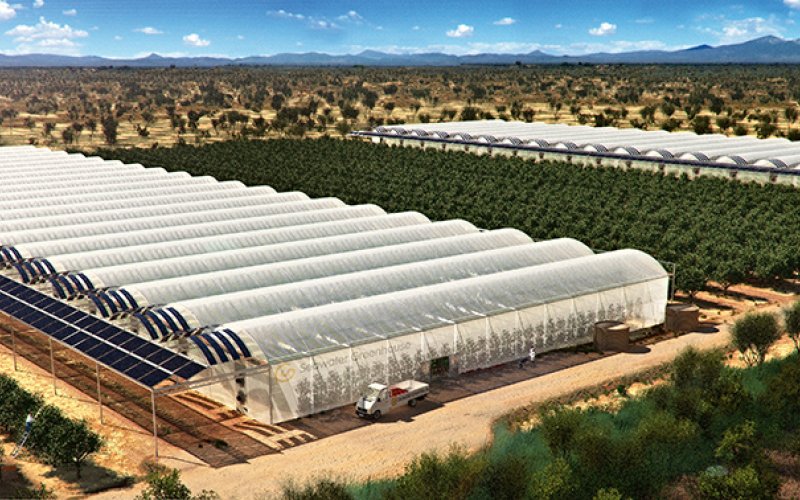
Eco products are driving out industrial production
The tragic events that occurred in Japan on March 11, 2011 led to the most serious nuclear accident in the last 25 years and raised the question of trust in nuclear power all over the world. On April 4 of the current year analysts of the Swiss bank UBS evaluated the significance of the so-called “Fukushima disaster”: “At Fukushima, four reactors have been out of control for weeks, casting doubt on whether even an advanced economy can master nuclear safety”. Swiss experts believe that “this accident seriously damaged confidence in nuclear power”.
Editorial opinion may not coincide with the views of the authors of published materials. You may contact the editors about the possible publication of your articles by e-mail: info@vigiljournal.com

.png)
.png)

.png)
.png)

VIGIL Journal | Russia in the New World
Copyright © 2012-2026,
VIGIL Journal
Russia in the New World
Design by Magzito
Powered by Drupal
 VK
VK YouT
YouT RuTube